Glowworm threads glowing in the dark

Arachnocampa luminosa

The New Zealand glowworm

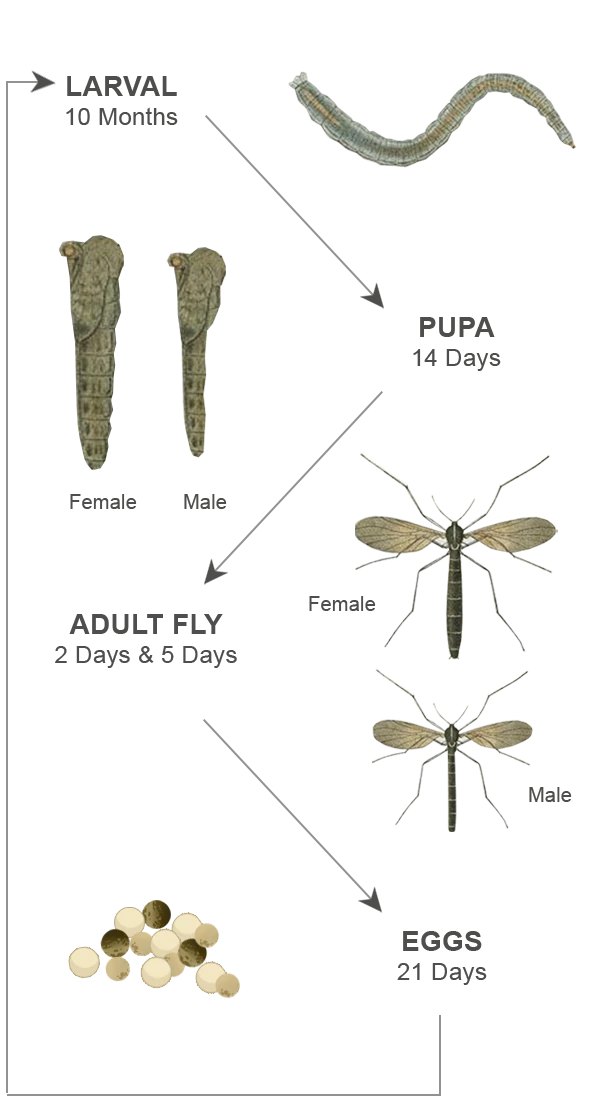
Diagram of the glowworm life cycle: egg, larva, pupa and adult fly
Life cycle

Not a worm at all

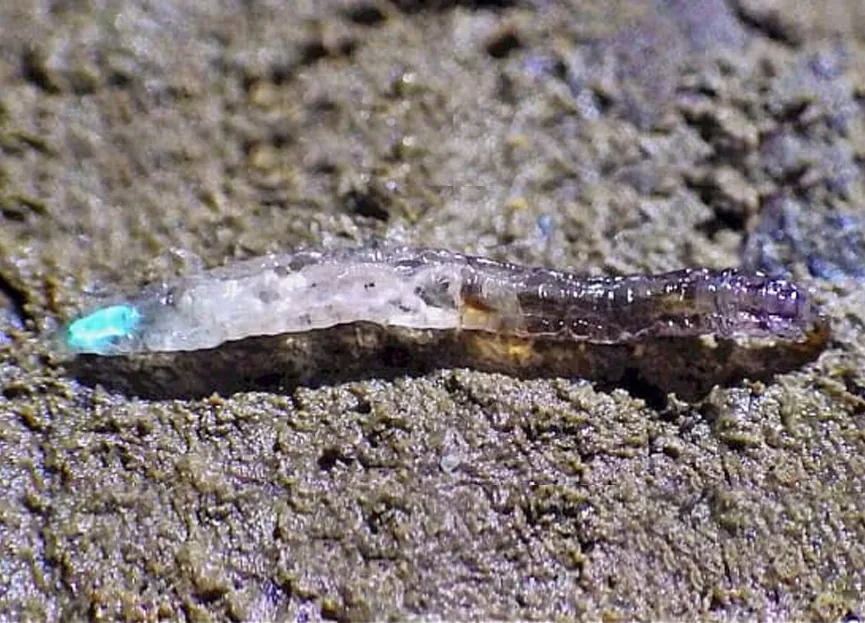
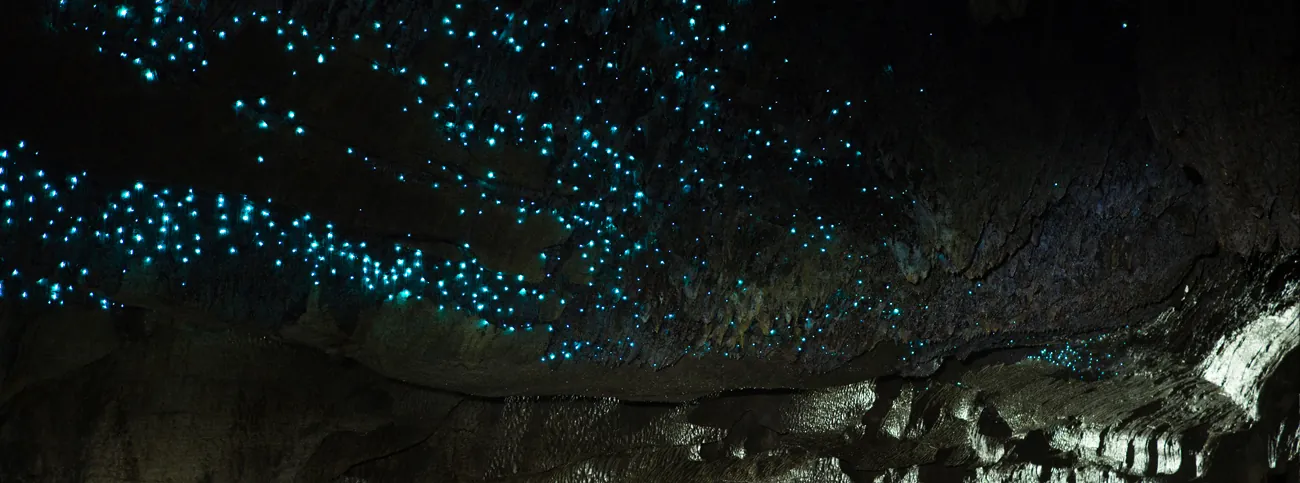
The New Zealand glowworm, in spite of its name, is not a worm. It is the larval form of a fungus gnat fly, called Arachnocampa luminosa. Glowworms are found throughout New Zealand and populate dark, damp environments such as caves, river banks and mine shafts. The glowworm's life cycle is typically around eleven to twelve months, and made up of four stages.

  1. Larval stage

    The larval stage lasts an average of nine months, though it can be nearly twice as long depending on food availability and temperature. During this stage the glowworm produces a blue-green bioluminescence, using modified excretory organs to make light. The purpose of this unique natural phenomenon is to emulate the stars in the night sky, as a lure to prey.

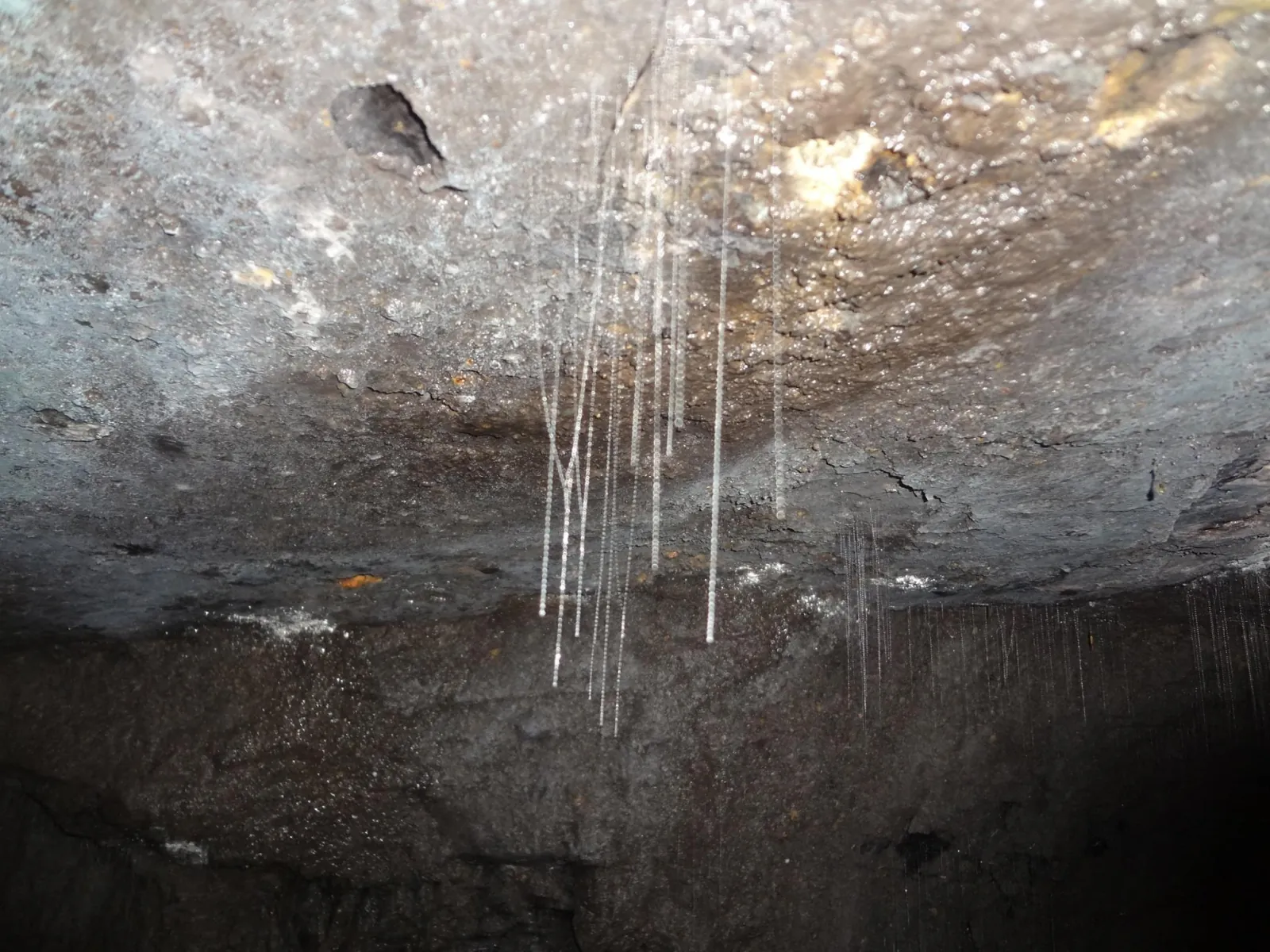
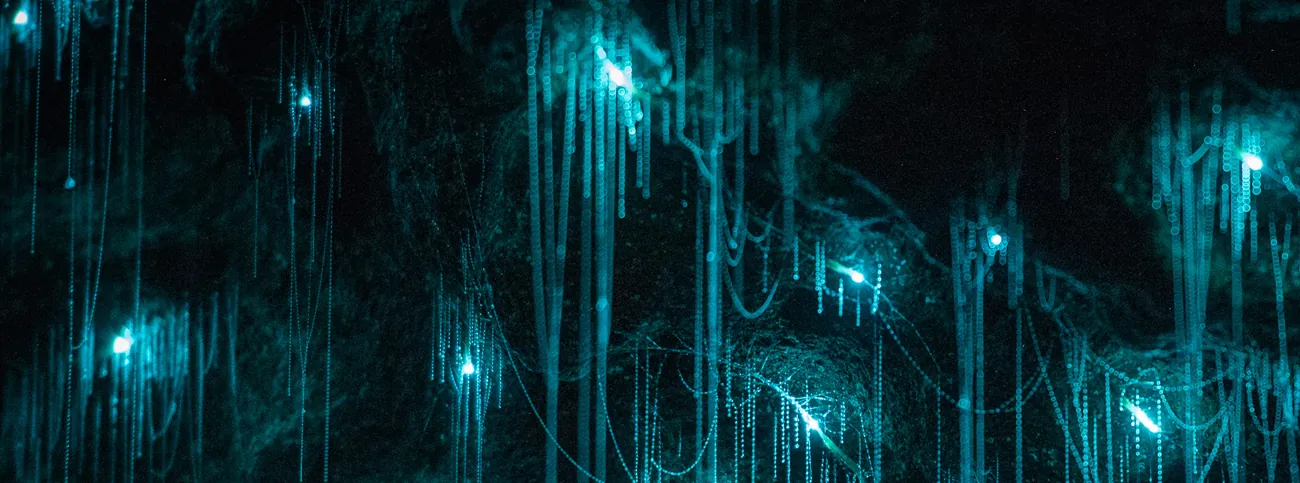
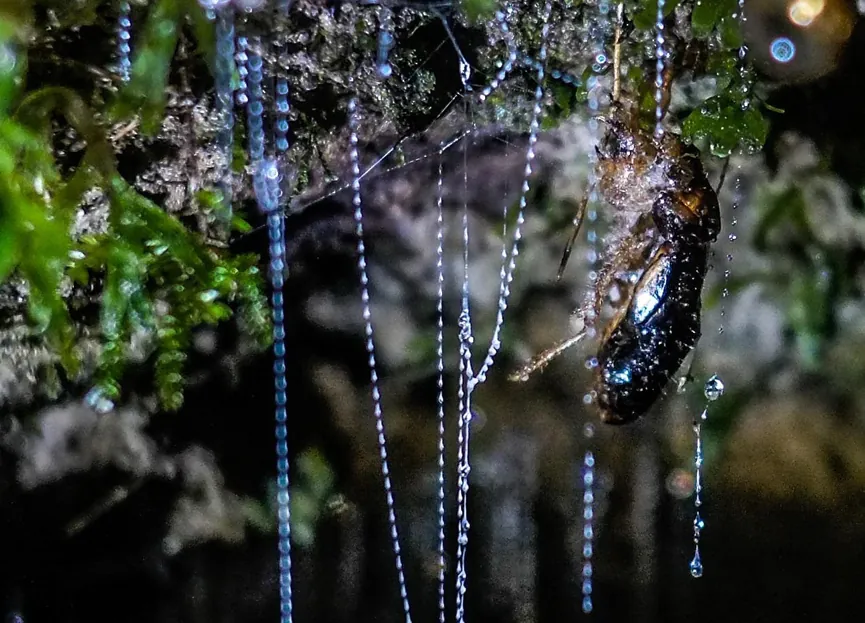
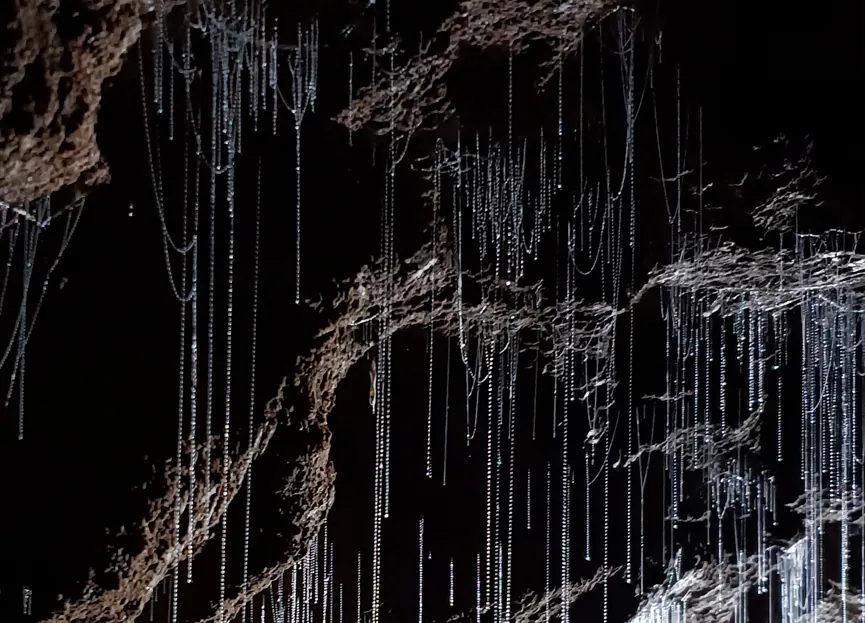
    Larvae live within a hollow, tubular nest of silk and mucus suspended by fine silk threads. The silk and mucus are excreted from separate glands in the glowworm's mouth, as are the fishing lines the larva lets down below. Similar to a spider's web, these fishing lines trap the glowworm's prey.

  2. Pupa stage

    When ready to pupate, the glowworm becomes opaque and shrinks in size, rearranging its fishing lines to encircle itself within a barrier. It then suspends itself from a thin silk cord to pupate.

    During pupation it becomes possible to tell the sex: male pupae range from 12–14mm, while female pupae range from 15–18mm. Two or three days before emergence, eggs also become visible in the female pupa. The glowworm remains in the pupa for 13–14 days, depending on environmental conditions.

  3. Adult fly

    The fly emerges from the pupa head first, pulling its legs and wings after it, which can take an hour or more. Once free, the adult fly hangs off the pupal case until it is dry and its wings are strong enough to fly. Both sexes are sluggish in flight and move only one or two metres at a time. The female typically stays on her pupa until mated, and only moves when she is ready to lay eggs.

    The female dies immediately after laying her eggs, within 48 hours of hatching. The male can survive for five to six days. Neither has a mouth as a fly, so they are unable to feed during this stage of their life cycle.

  4. Glowworm eggs

    The eggs are cream in colour when first deposited, changing to a light brown or orange-red within a few hours. A female typically lays an average of 120 eggs, but very few hatchlings survive the complete life cycle. This naturally low survival rate is a result of a limited food source small enough for hatchlings to catch and consume.

Natural limitations

Food source

Glowworms rely on minute aquatic insects hatching from a water source nearby or directly below their fishing lines, so meals can be few and far between. If food becomes scarce, the colony will begin to cannibalise, which is a large factor in why a colony reaches population capacity.
Habitable space

The glowworm is very fussy about where it lives, being extremely sensitive to draft, moisture, light and even the gradient of a surface. Liveable space can therefore limit a colony's size. Being very territorial, glowworms will cannibalise simply to secure the most suitable location.

Environmental

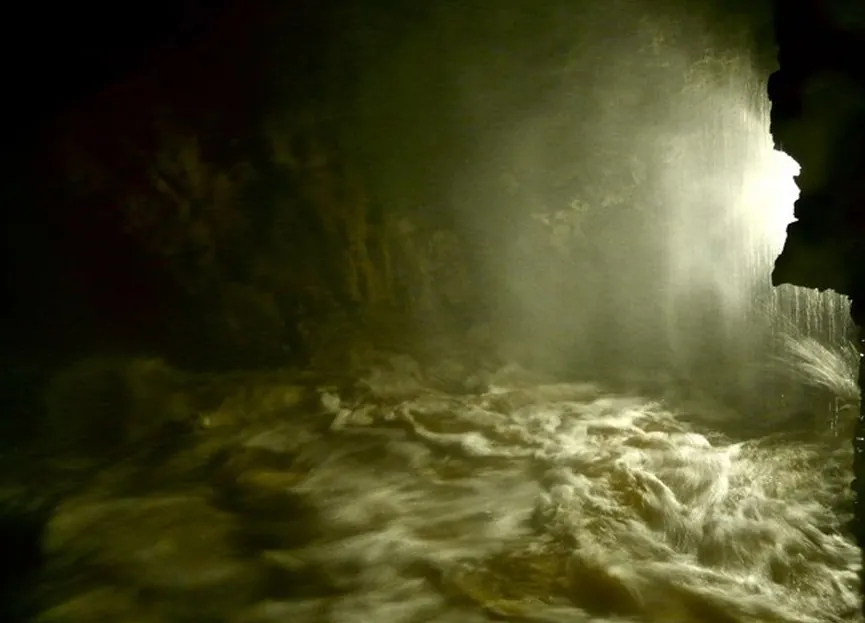
Flooding can cause huge disturbance to a colony. Typically only glowworms at the highest point of the cave or stream bank survive. Although they can remain submerged for 2–3 days, strong currents often wash them downstream where survival conditions are less favourable.

Parasites

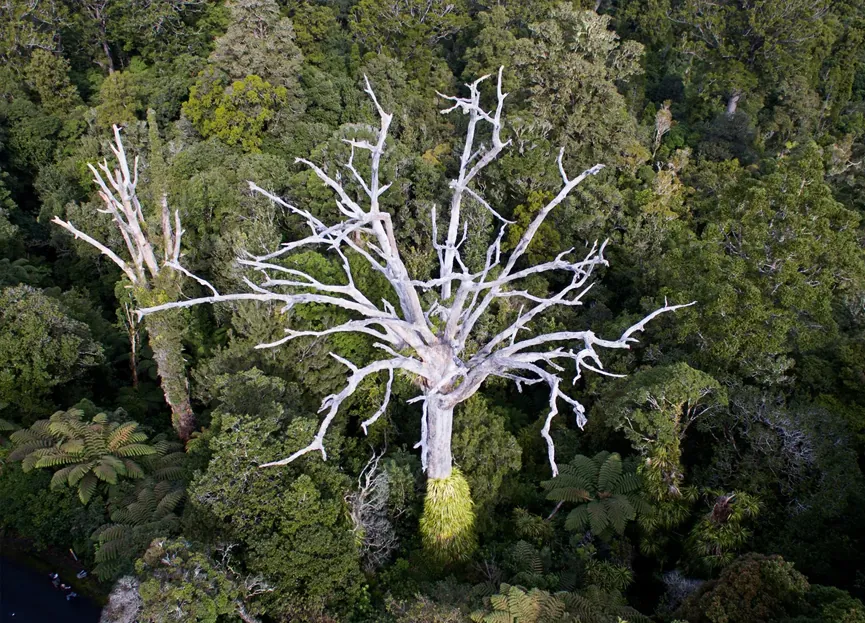
New Zealand is home to an airborne fungus that spreads between glowworms in both bush and cave colonies. According to Te Ara, up to 40% of cave glowworms are killed by the fungus. Infected glowworms turn a light yellow colour before developing hyphae upon death.

Anthropogenic threats

Changing climate

The glowworm is extremely sensitive to changes in temperature, moisture and air.

According to NASA, 65% of the world's insect populations could become extinct within the next century.

Light pollution

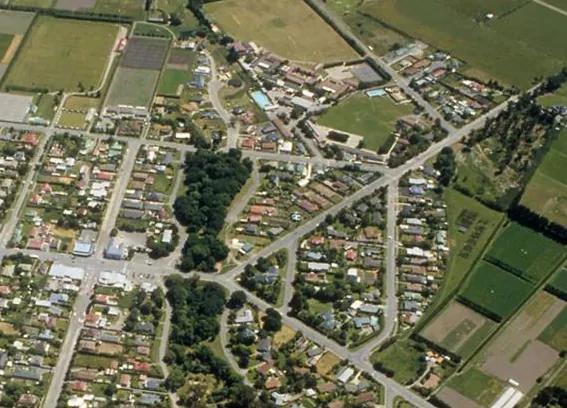
Glowworms use bioluminescence to attract prey and mates, and artificial light affects both. Evidence shows glowworm populations decline closer to artificial light. It is estimated that a third of the glowworm's food source dies of exhaustion swirling around artificial lights.

Insecticides

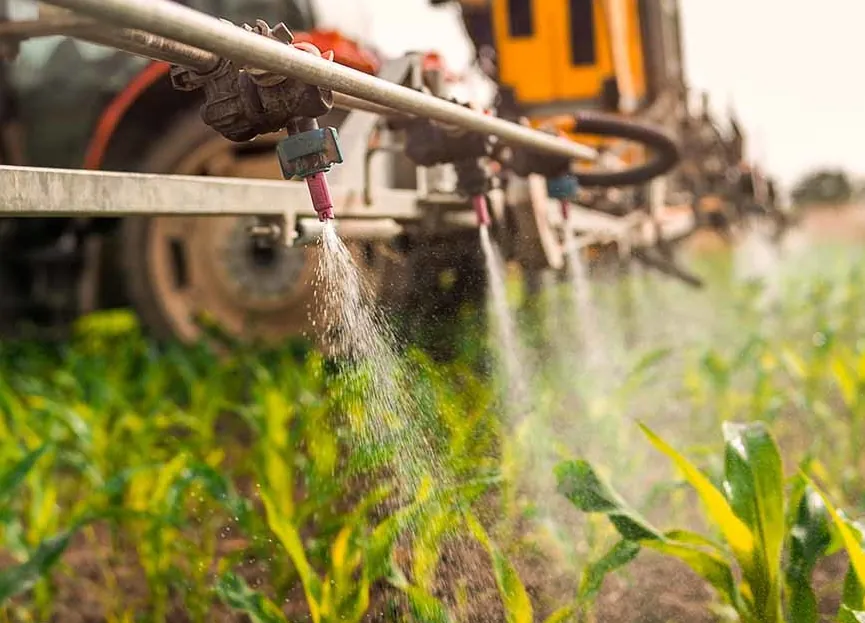
Pesticides used on land dissolve easily in water and wash into streams, rivers and caves, where they kill aquatic insects. These water sources support entire ecosystems, and a glowworm's survival depends on them to provide prey.

Irregular weather patterns

Glowworm populations are found close to streams and rivers, which are susceptible to flooding. Climate change is expected to influence global precipitation patterns, increasing the incidence of floods and droughts.

Sir David Attenborough
“It seems to me that the natural world is the greatest source of excitement; the greatest source of visual beauty, the greatest source of intellectual interest. It is the greatest source of so much in life that makes life worth living.”
Sir David Attenborough

Patterns of evolution

The glowworm needs a humid, sheltered incline away from draft and light pollution, so colonies typically establish in caves or on remote bush banks above streams. Bush and cave environments offer very different conditions, and the species has evolved differently in each, with visible differences between the two.

Bush glowworms with short threads
Bush

The bush glowworm

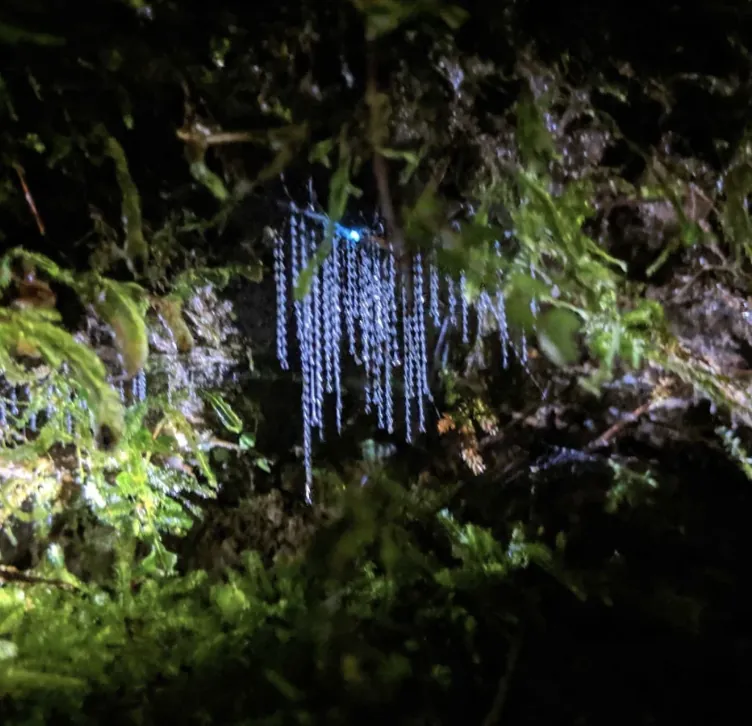
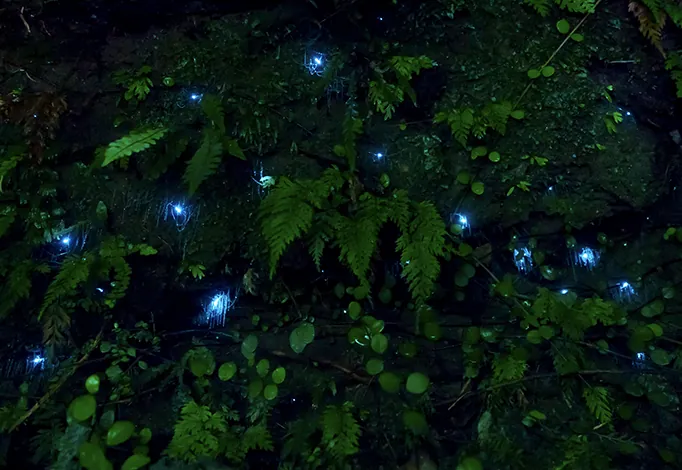
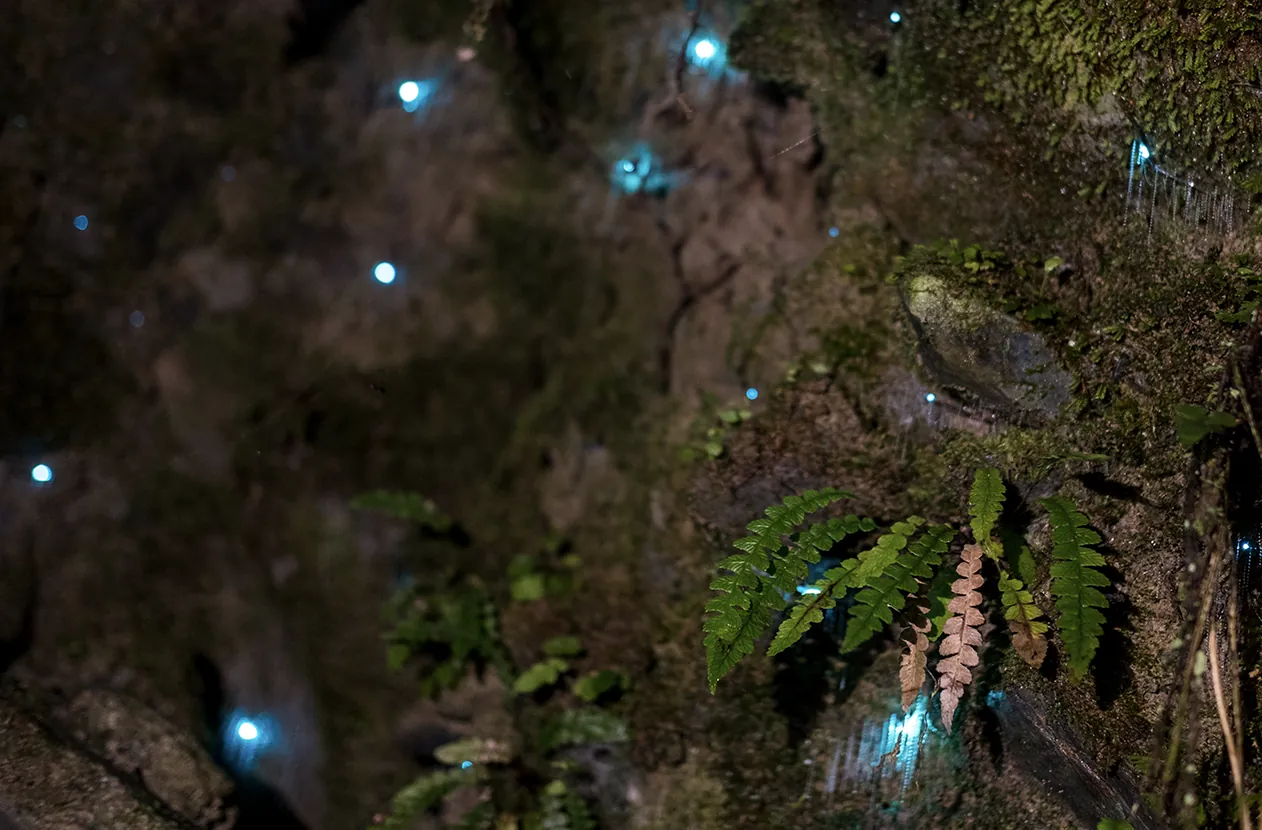
Because outside environments experience both day and night, the bush glowworm factors this into its bioluminescent cycle, only illuminating for twelve-hour intervals. To cope with natural wind, its threads are much shorter, averaging 3–5cm.

Cave glowworms with long hanging threads
Cave

The cave glowworm

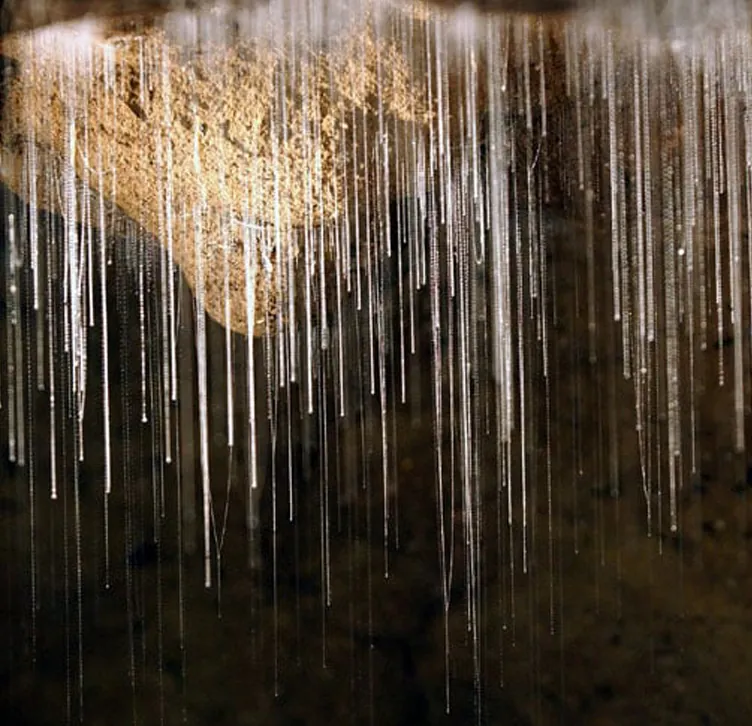
Unlike the bush glowworm, the cave glowworm can colonise locations with no wind or light disturbance. This results in much longer threads of 30cm or more and a 24-hour bioluminescent cycle. The cave glowworm fly is also 30% larger when it emerges from the pupa casing.

Glowworm research papers

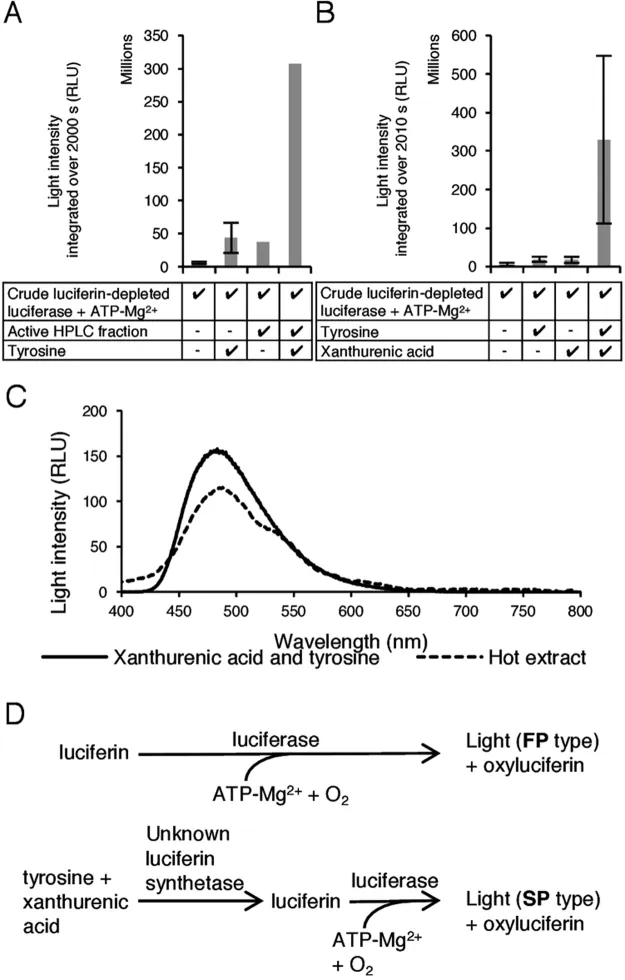
Bioluminescence properties of the New Zealand glowworm

Oliver C. Watkins · Department of Biochemistry, University of Otago, 2018

Read more (opens in new tab)

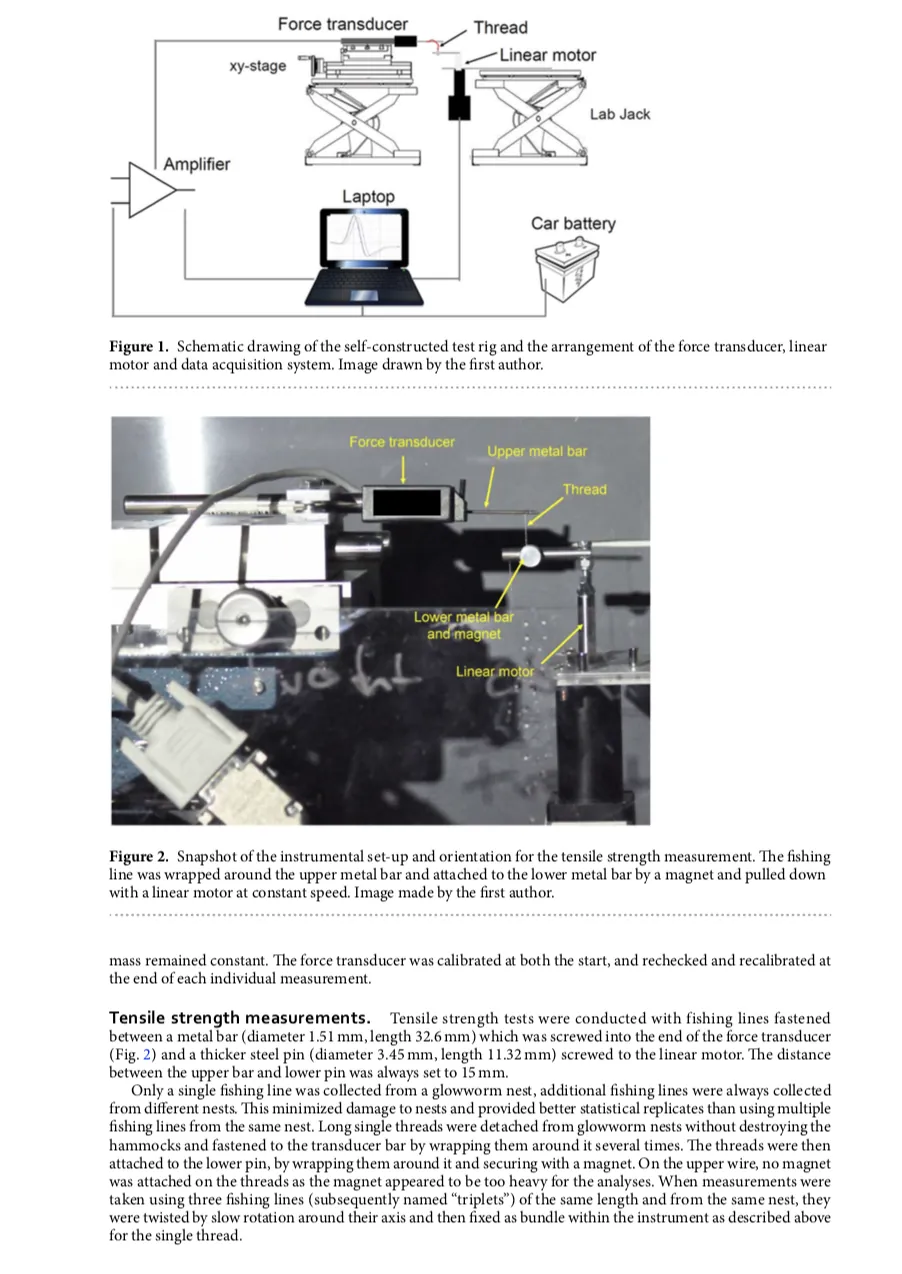
Biomechanical properties of the glowworm's fishing lines

Janek von Byern · Ludwig Boltzmann Institute for Experimental and Clinical Traumatology, Vienna, 2019

Read more (opens in new tab)

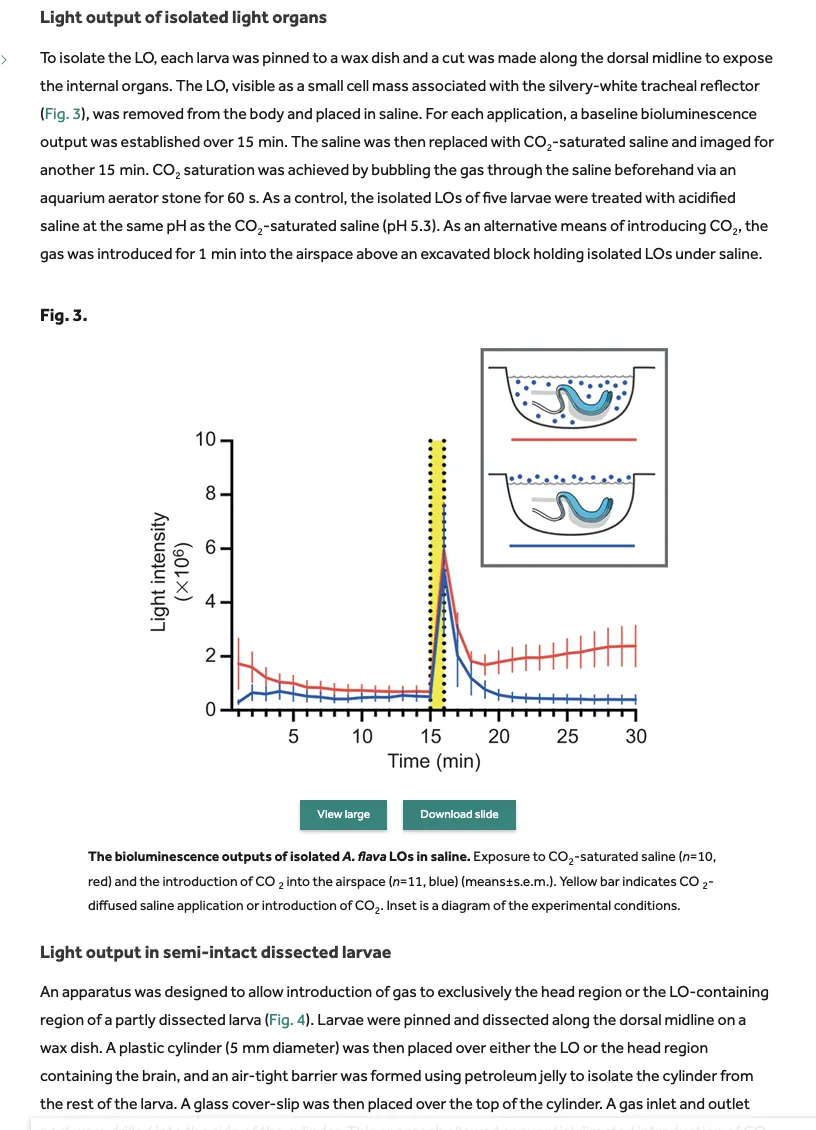
The effects of CO2 on the bioluminescence of glowworm larvae

Hamish Richard Charlton & David John Merritt · University of Queensland, 2020

Read more (opens in new tab)

Colonies at risk

The Kakahi railway cut
Colony extinction

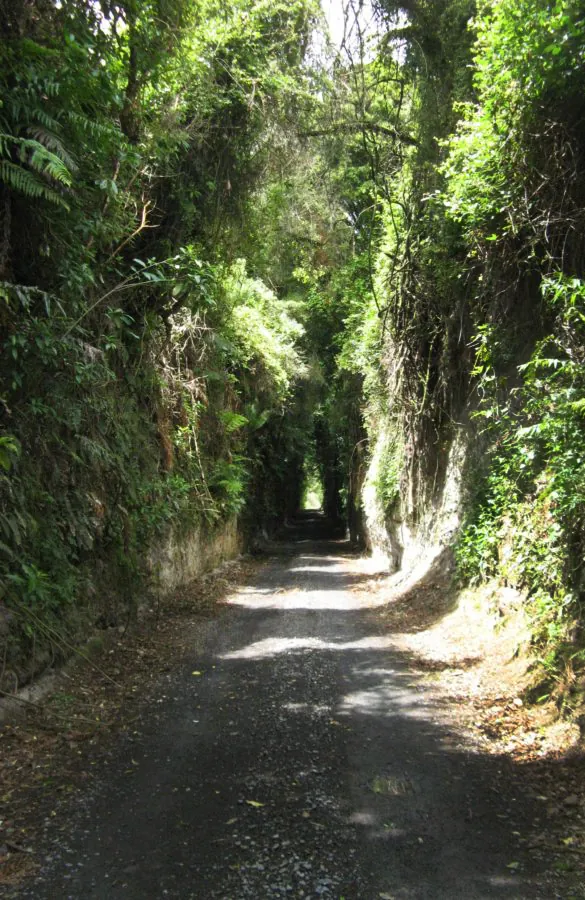
Kakahi Railway Cut

The small township of Kakahi hosts a 300m long railway cut, known as home to one of the largest bush glowworm colonies in the North Island.

The population, estimated to be in excess of 10,000 glowworms, thrived thanks to favourable environmental conditions.

Within a six month period, the entire colony was wiped out by drought.

Inside George's Tunnel
Colony under threat

George's Tunnel, Waitākere Ranges

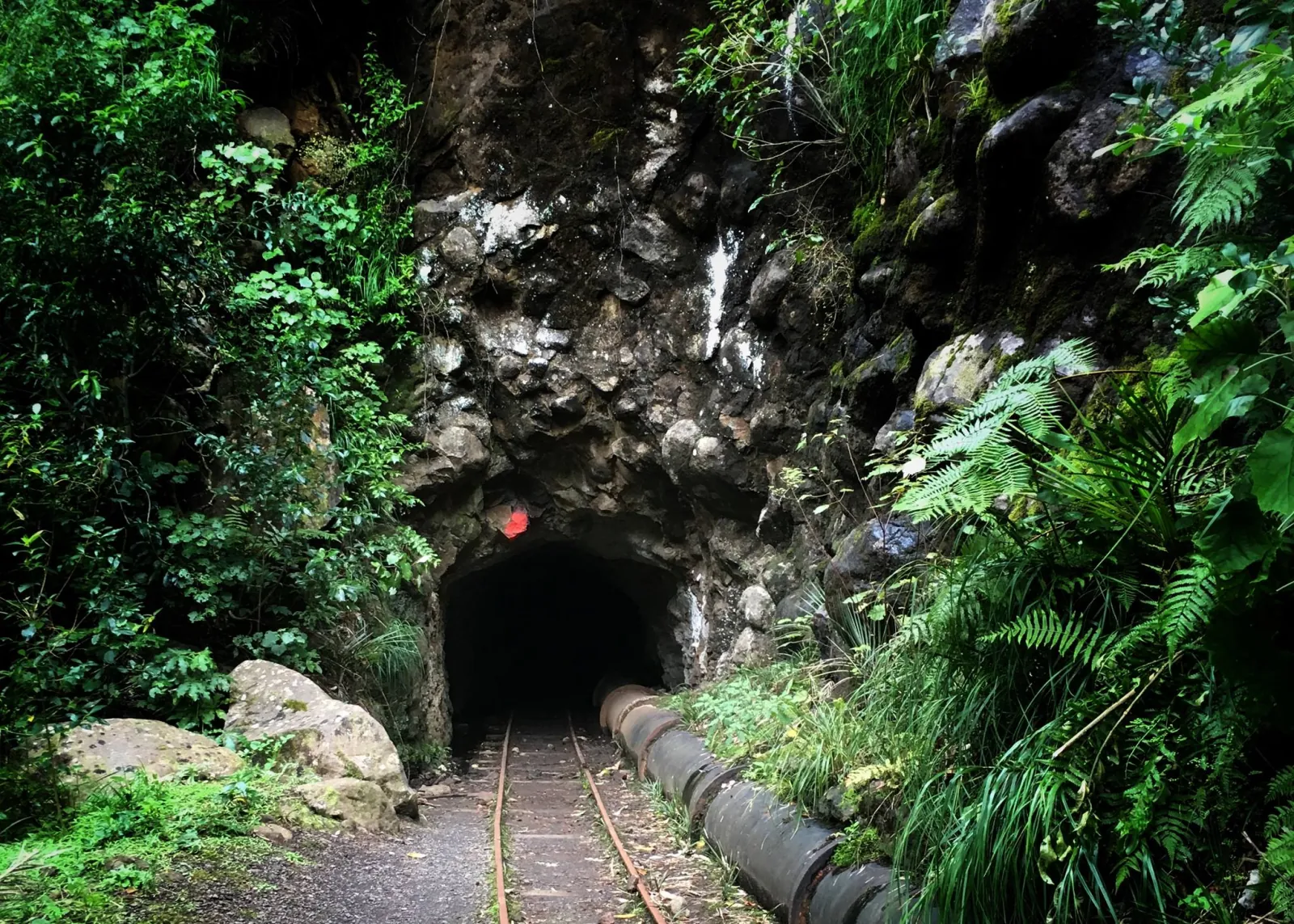
Glowworms light up the 700 metre George's Tunnel along the Waitākere Tramline in West Auckland. Watercare plans to reinforce 49 metres of the tunnel with shotcrete to prevent rockfall. Lining the tunnel surface with concrete will destroy part of the colony's habitat, with catastrophic effects on the glowworm population within.

Read the Stuff article (opens in new tab)