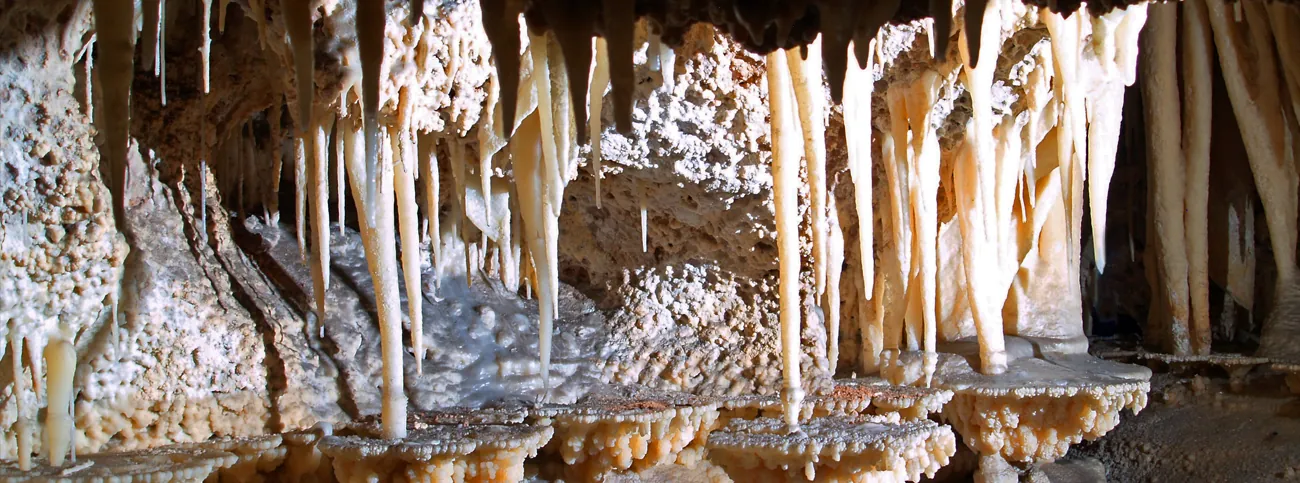
Inside a karst cave

Karst caves

Cave formation and preservation

Time capsules

A record of Earth's history

Caves are more than geological marvels; they are time capsules that preserve a record of Earth's history towards an understanding of the origin of life on Earth. The outside environment has very limited influence on a cave's internals, being largely set apart from the effects of the fast evolving world above.

The formation of caves depends on several geological processes: wind, volcanism, tectonics, ice and dissolution in water. As a result, the majority of Earth's cave systems are formed in carbonate rocks, though remarkable karst phenomena also occur in gypsum, halite, and poorly soluble rocks such as quartzites.

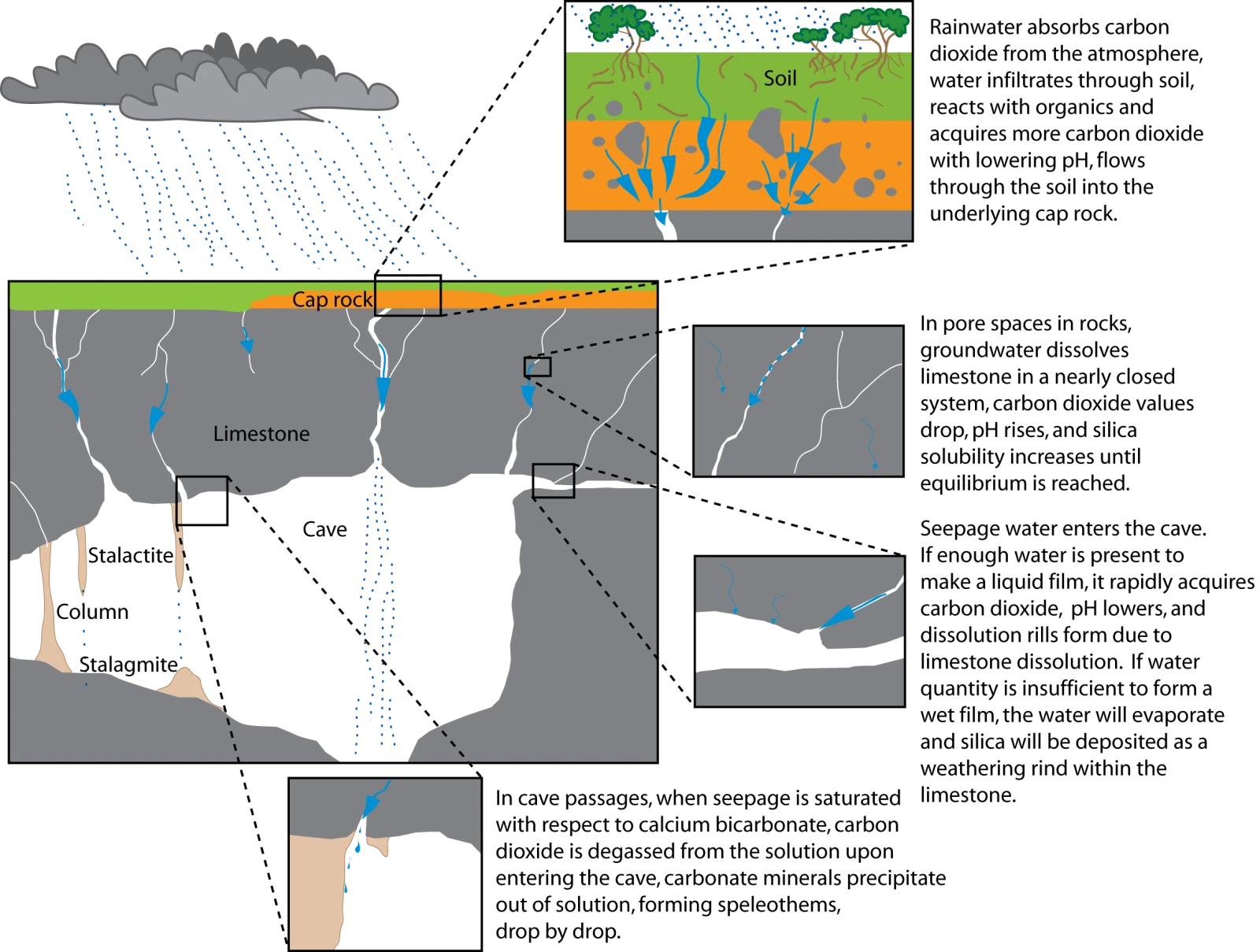
The diagram illustrates the formation of a karst cave system. Climate, largely rainfall and carbon dioxide, is key to the formation process, demonstrating how a karst environment is extremely sensitive to changes in both climate and carbon dioxide.

Diagram showing how rainfall and carbon dioxide form a karst cave system
Conservative environments

Unique geo‑ecosystems

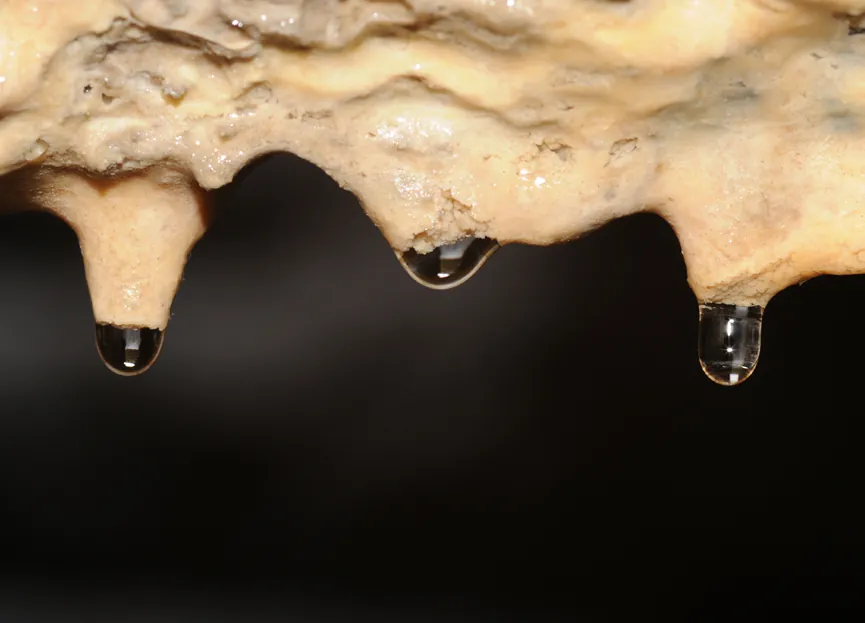
Caves are unique geo-ecosystems as a result of their strong geodiversity, their relatively stable environmental conditions, the absence of strong seasonal modifications and permanent darkness. They can also be considered “conservative environments”, able to preserve information for a long period of time. Information about past environmental and climate oscillations can be preserved in cave sediments (e.g. pollen content) and speleothems (e.g. calcite stable isotope composition, petrography, trace elements).

Their specific conditions can lead to the precipitation of rare speleothems and mineral phases, making these environments extremely interesting for earth science research. The specific habitat is also valuable for studying the ecological adaptation of vertebrates, invertebrates and bacterial colonies. The glowworm is one of many unique species which has evolved to survive in complete darkness.

The human population has grown from 1 billion to 8 billion since 1800. This 700% increase has driven significantly growing demand to explore the underground world. Delicate cave environments, preserved from the outside world for millions of years, now face significant anthropogenic threats.

Anthropogenic threats

CO2 erosion

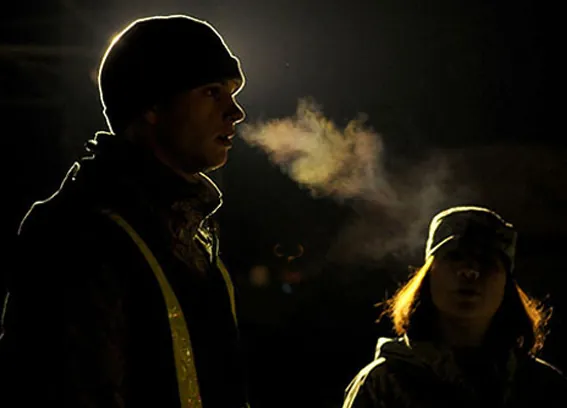
Carbon dioxide is a key influence in karst cave formation, so the internal environment is extremely susceptible to changes in CO2 levels, such as CO2 from human breath. Above 2400ppm, water within the cave becomes acidic and corrodes the cave formations, causing tens of thousands of years of damage.
Environmental alteration

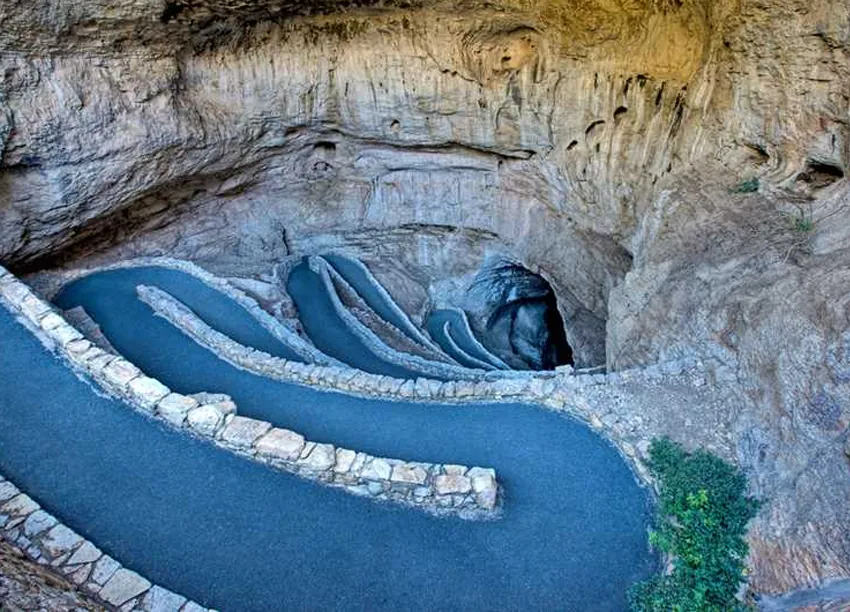
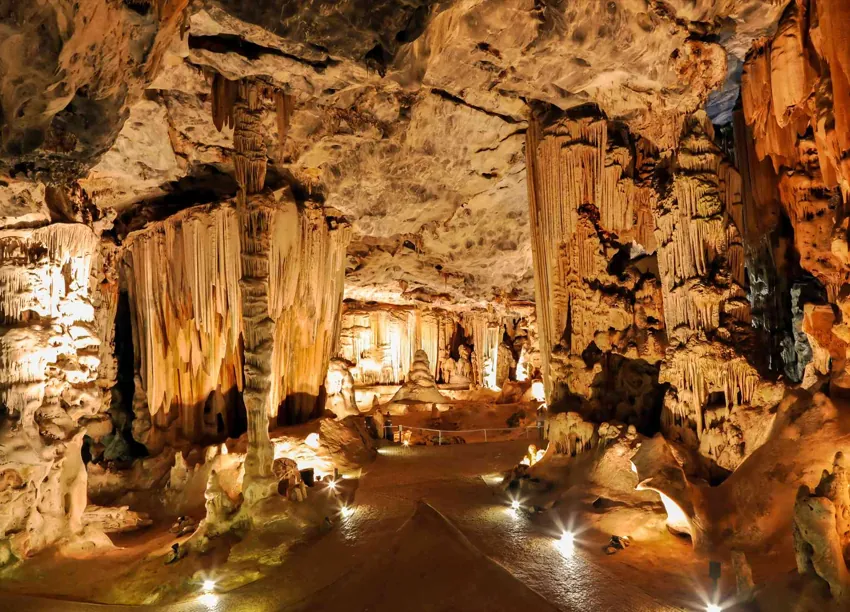
To allow visitation, infrastructure is often installed to give access for high visitor numbers. Man-made accessways and handrails were still being built inside caves as recently as 2023. These pathways cause irreversible damage and have triggered environmental concern.

Introduction of light

Show caves light their internal pathways and highlight natural formations. Artificial lighting has a significant effect on a cave's ecosystem, particularly by allowing spores to grow that otherwise could not survive without light.

Temperature changes

With hundreds of visitors in a cave at once, body heat can significantly alter its temperature in a very short time. This shift can have disastrous effects on troglobites and on the carbonic reaction that shapes natural cave formations.

Cave graffiti

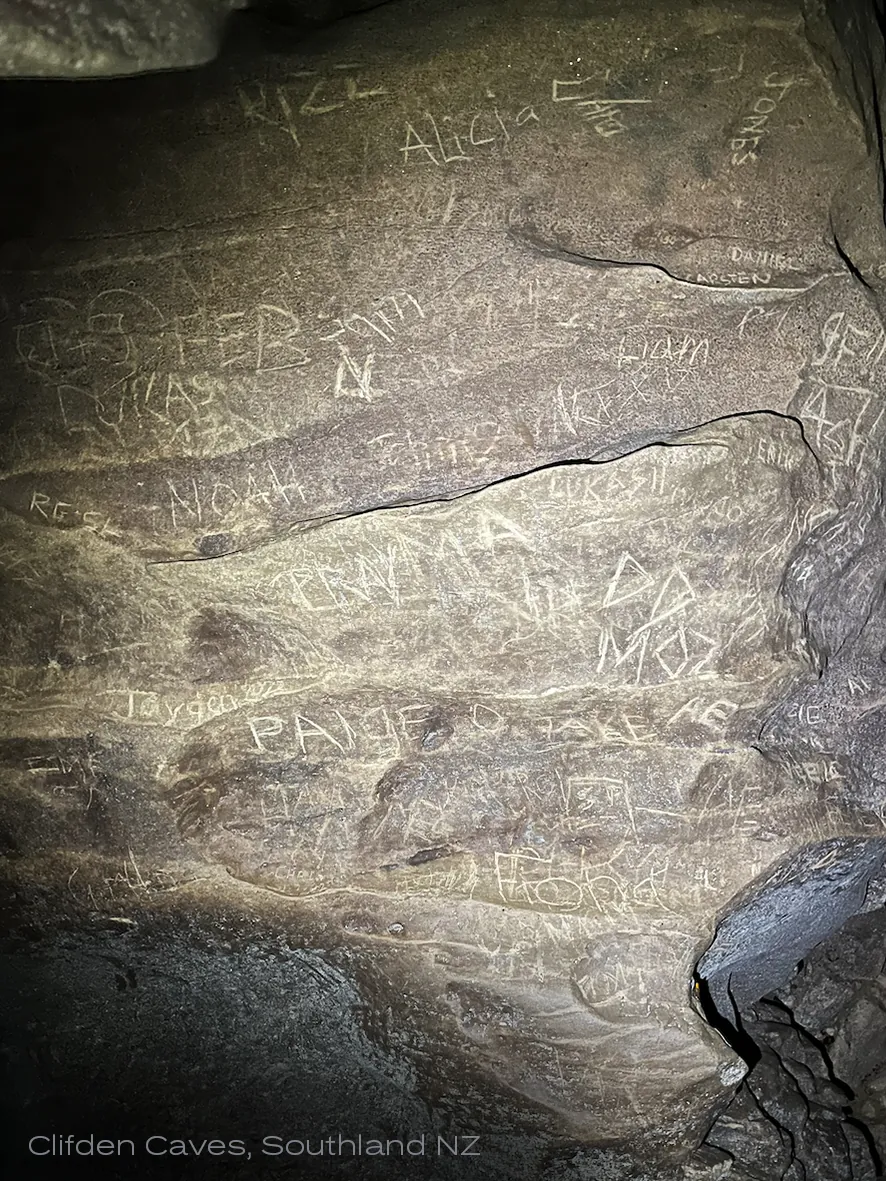
Clifden Cave, South Island

Southland's Clifden Cave is a 300m karst cave open for the public to enjoy. It is home to many delicate natural features and fauna, including glowworms.

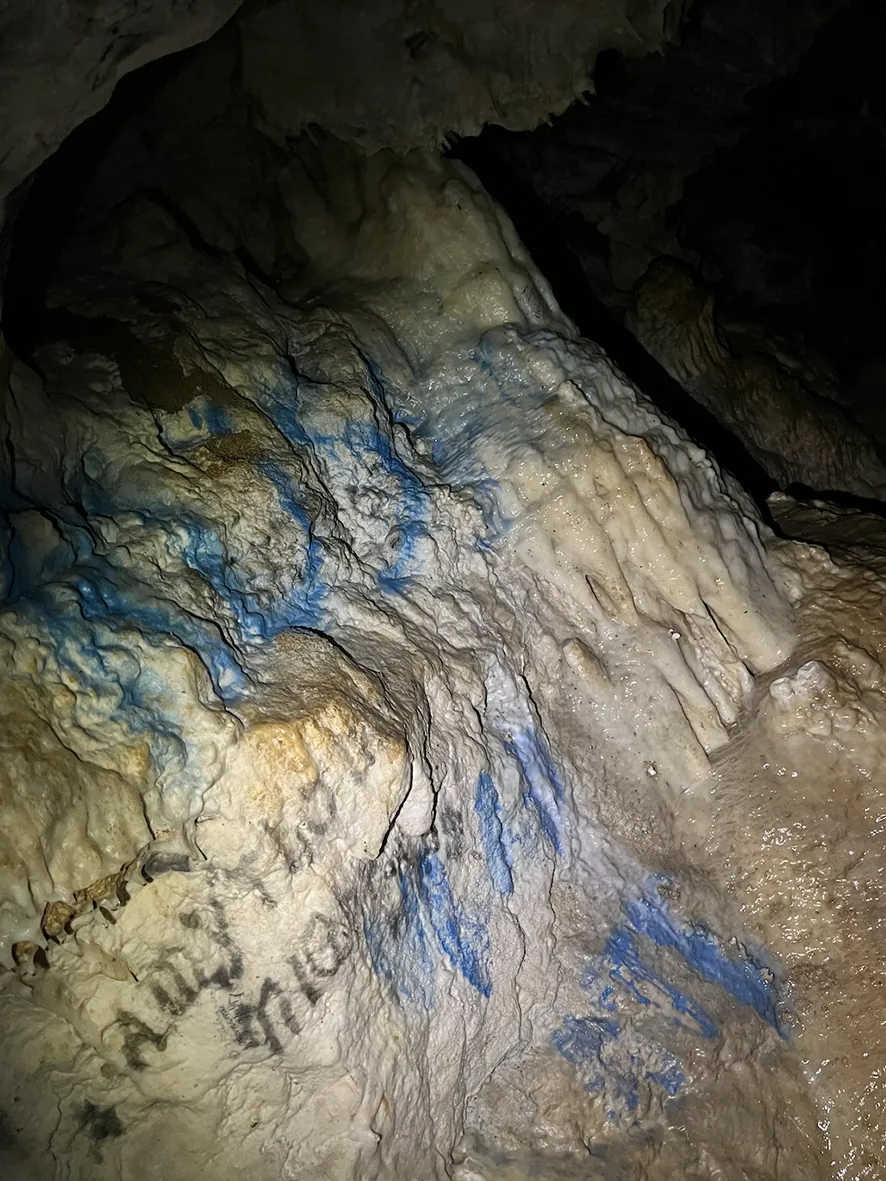
Positioned in a remote location, the unregulated cave has been susceptible to vandalism and graffiti, including spray paint, engraving, pen and pencil.

Because the cave has very little influence from outside elements such as erosion from rainfall, most of this graffiti will remain intact for thousands of years.

CO2 management

Waitomo Caves

As early as the 1970s, when visitor numbers were much lower than today, Waitomo Caves realised the impact visitor CO2 was having on the cave and the glowworm population within.

It was first noticed when the glowworms began to glow much less frequently; research has shown the species stops glowing when stressed. Visitor CO2 was reacting with the cave surface to create carbonic acid, which was affecting the glowworms.

The initial solution was to vent the CO2 through a new opening drilled into the cave wall. This “blow out” worked for CO2, but its effect on the glowworm environment was overlooked, and the population fell by 96% from its original size.

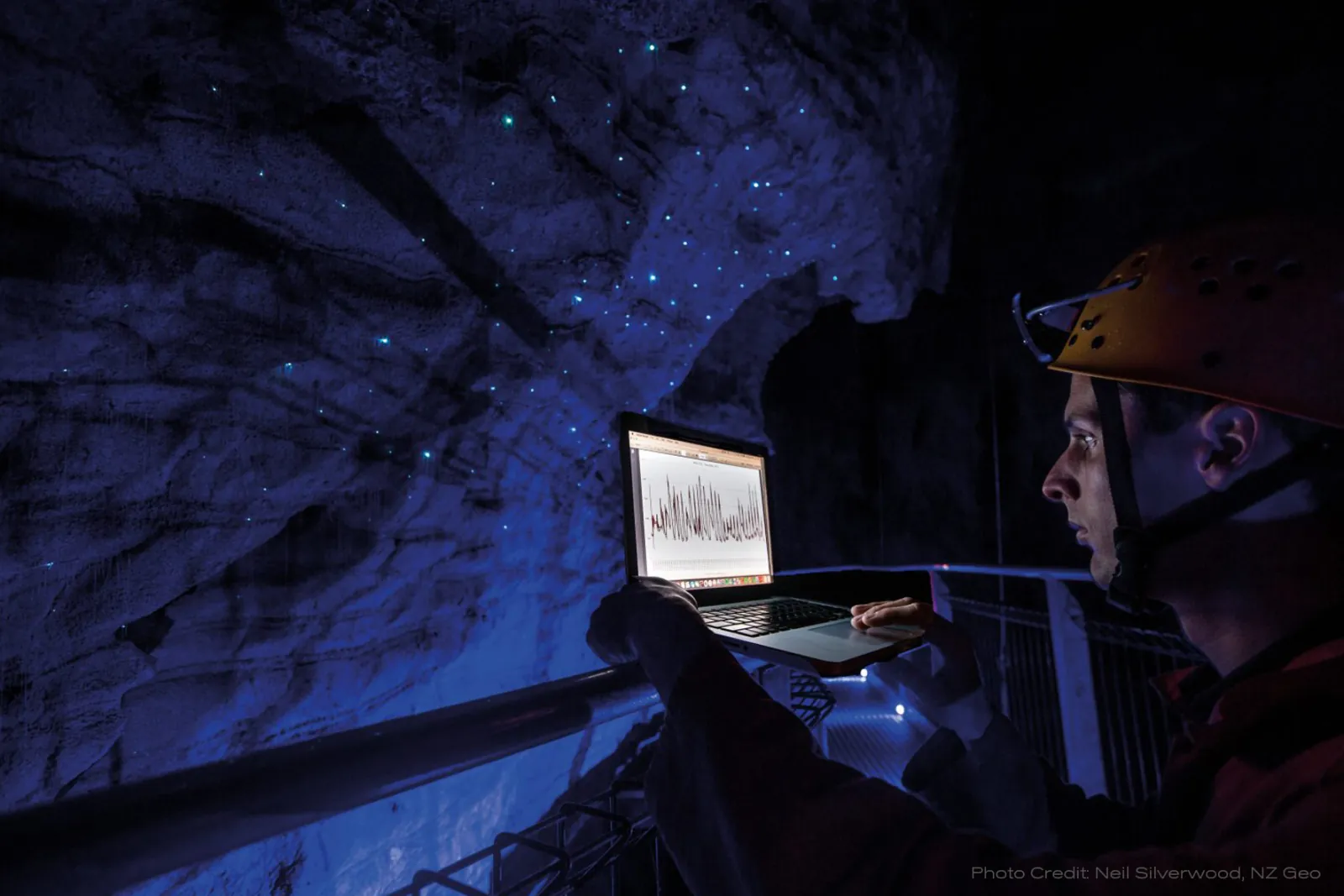
Today, Waitomo is managed with an integrated monitoring system run by NIWA. Its sensors report CO2 in real time from Aranui, Ruakuri and Waitomo Caves, along with air temperature, humidity, water level, water temperature and cave door status.

Cave monitoring equipment installed in a cave

What the experts say

NZ Science Teacher

Using science to care for our caves

A Waitomo Caves Discovery Centre educator describes how the 1975–79 attempt to flush CO2 from the cave caused glowworm desiccation and a mass die-off, leaving just 4% of the normal population. The cave closed for months, a scientific advisory group was formed, and glowworm numbers and light intensity are now photographed every 30 minutes.

Continue reading (opens in new tab)
NIWA

Subterranean sensing

NIWA explains the 2400ppm CO2 threshold set in the 1970s and how its monitoring helps the cave operator balance visitor access with consent requirements. CO2 strongly affects how stalactites and stalagmites form.

Continue reading (opens in new tab)
RNZ

Waitomo Caves shut ‘five times’ due to high CO2

Tourism Holdings CEO Grant Webster on closing the Waitomo Glowworm Caves several times in one summer because of excessive CO2. With about half a million visitors a year, they are the most-visited caves in the Southern Hemisphere.

Continue reading (opens in new tab)

Sustainable alternatives

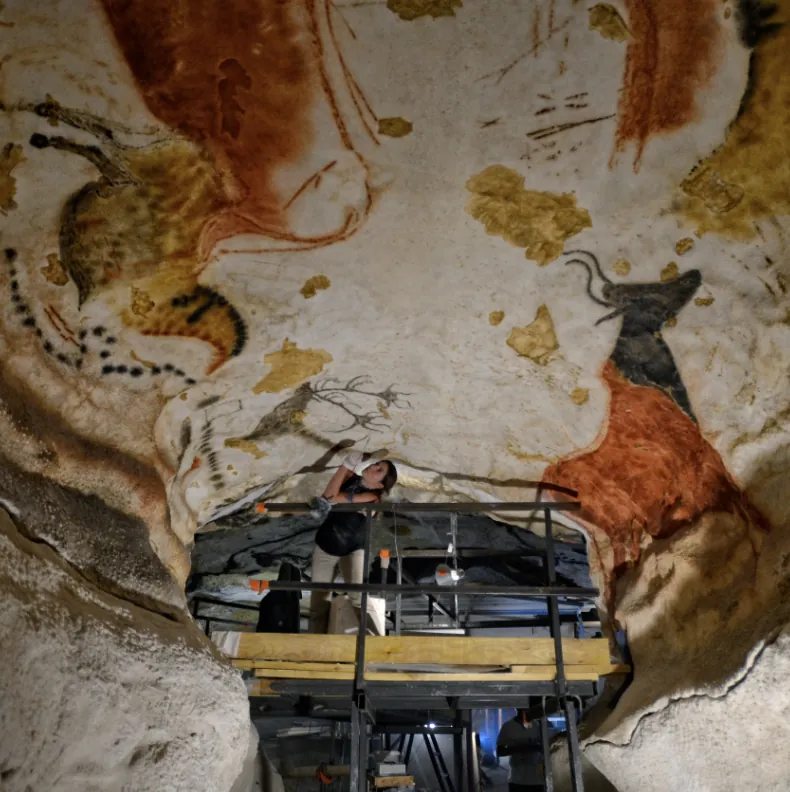
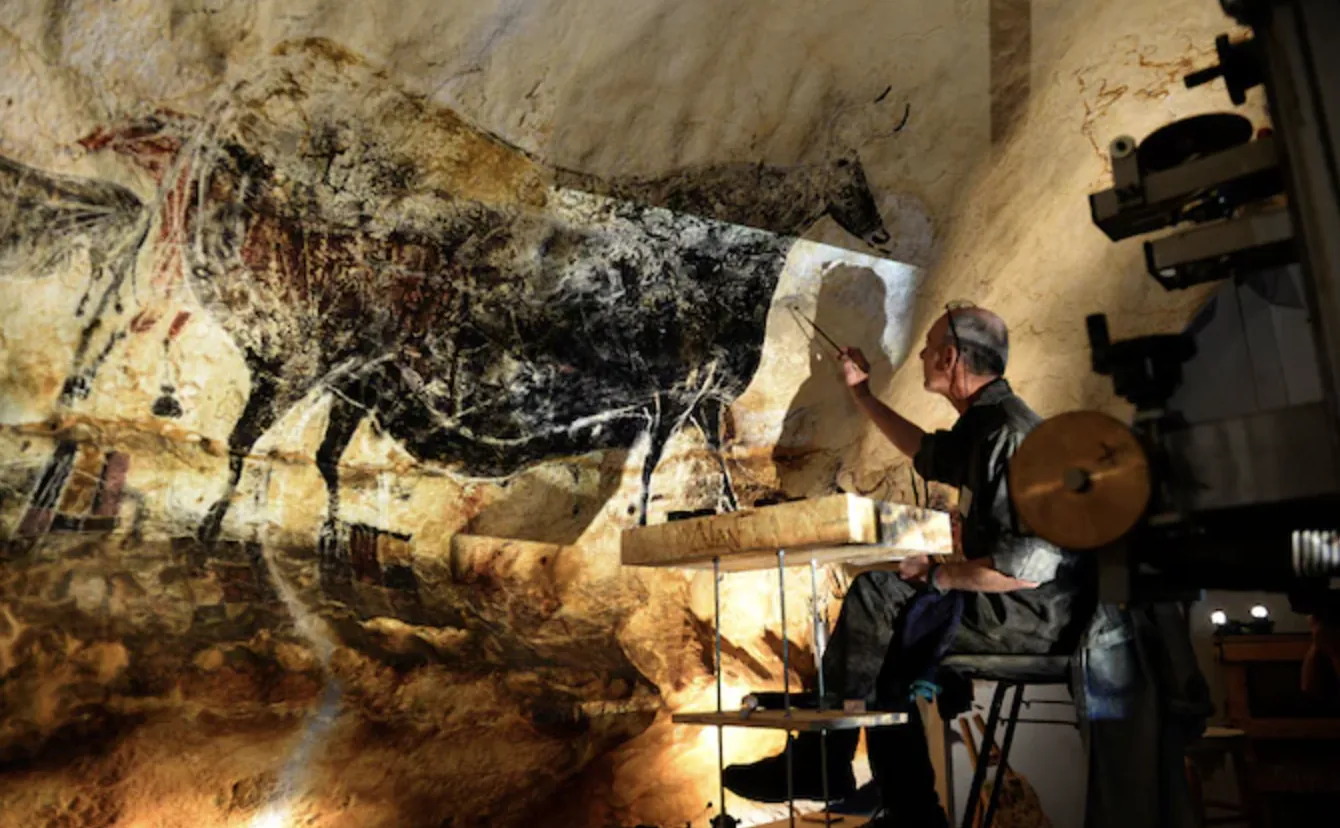
The painted ceiling of the Lascaux replica An artist recreating a Lascaux bull painting
Lascaux Cave, France

17,000-year-old paintings

The walls of Lascaux are decorated with some 600 painted animals and symbols and nearly 1,500 engravings. Opened to the public in 1948, it closed in 1963 after visitors' breath raised CO2 and humidity, damaging the paintings, and artificial lights encouraged algae to grow on the walls.

A replica opened in 1983 so the public could enjoy the drawings without harming the original. In December 2016 a new, near-perfect replica opened, a $64 million preservation project. France ranked first in the 2017 Economist Sustainable Tourism Index, with the Lascaux replica receiving special recognition.

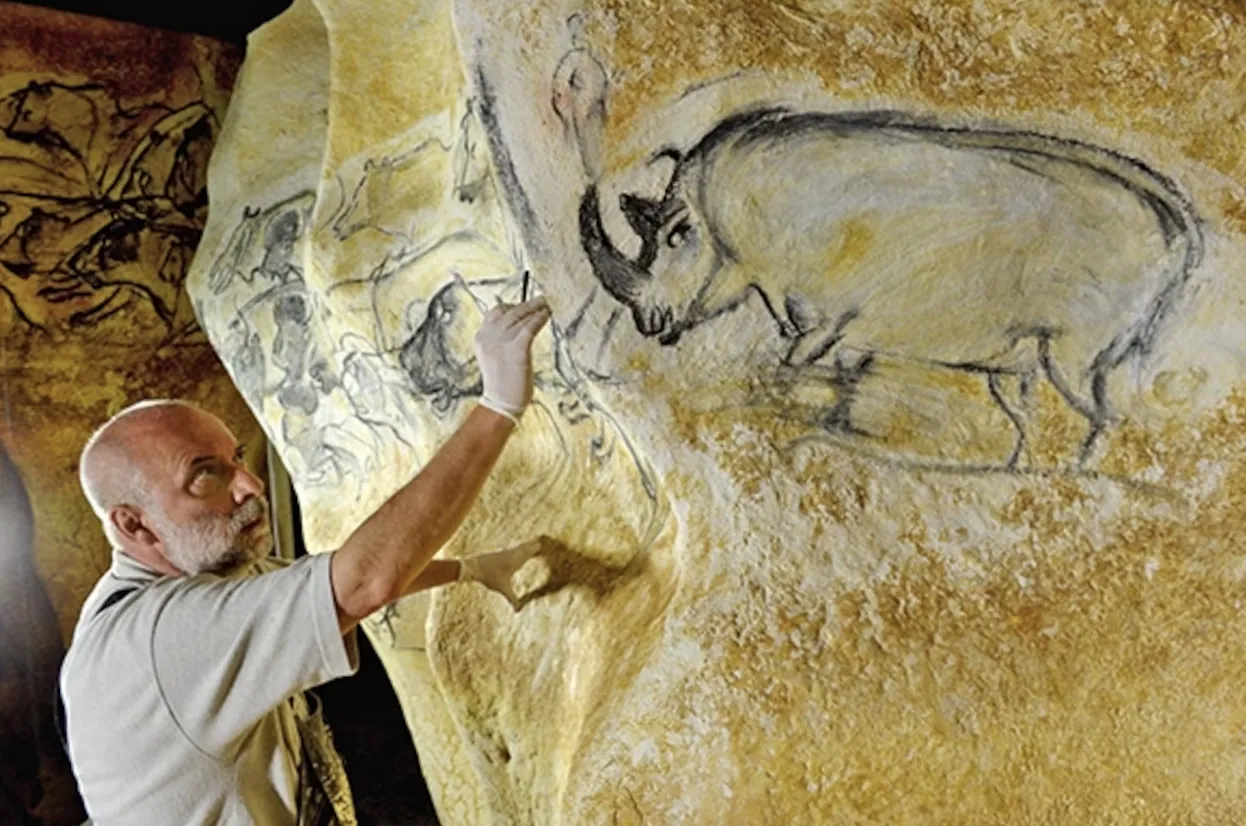
An artist recreating the Chauvet rhinoceros drawing
Chauvet Cave, France

Sealed since 1994

Chauvet holds some of the best-preserved figurative cave paintings in the world and became a UNESCO World Heritage site in 2014. Learning from Lascaux and Altamira, where mass visitation led to erosion and mould, it has been closed to the public since its discovery.

Instead, the Caverne du Pont-d'Arc opened nearby in 2015: the largest cave replica ever built, reproducing the art at full size along with the cave's silence, darkness, temperature, humidity and acoustics.

Professor Chris De Freitas
University of Auckland

Professor Chris De Freitas

  • Chair of the Waitomo Cave external environmental advisory group
  • University of Auckland Deputy Dean of Science and Pro Vice-Chancellor
  • Vice-president of the Meteorological Society of New Zealand
  • Vice-president of the International Society of Biometeorology
  • Co-founder of the Australia New Zealand Climate Forum
  • Editor of the international journal Climate Research

Credited with more than 200 publications, including New Environmentalism: Managing New Zealand's Environmental Diversity and Natural Hazards in Australasia. Three times recipient of the New Zealand Association of Scientists' Science Communicator Award.

In the NZ Herald, De Freitas argues that caves are left in a legislative blind spot: unlike forests, which can regrow, most damage to caves is irreversible, and impacts from breakage, access routes, CO2, lint and heat accumulate over time.

Read his article (opens in new tab)

Articles by Professor Chris De Freitas

  • NZ Herald

    Precious caves at risk in legislative vacuum

    “Despite the importance of caves as natural resources and their great sensitivity to damage, little or no legislation is in place to protect them”

    Read article (opens in new tab)
  • RNZ

    Waitomo Caves shut ‘five times’ due to high CO2

    “He said this was not isolated, and had happened over the last few years”

    Read article (opens in new tab)
  • NZ Herald

    Threat to Waitomo Caves a threat to the nation

    “Small caves and those hosting cave fauna, such as glowworms, are particularly vulnerable”

    Read article (opens in new tab)
  • NZ Herald

    Trouble in the air at Waitomo Caves

    “This stresses the glow-worms and, over time, corrodes the limestone features which take hundreds of thousands of years to develop”

    Read article (opens in new tab)