Since 2020
Glowworm research
A 75% decline in under two decades
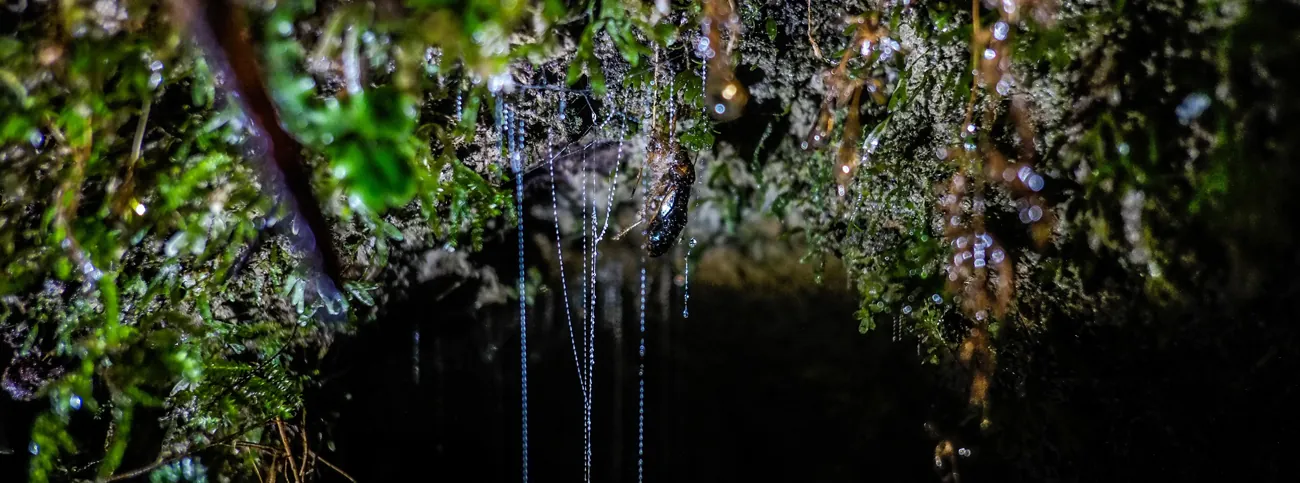
In 2019, National Geographic published an article illustrating the anthropogenic threats faced by the glowworm, and how the species declined by 75% between 2001 and 2018.
Previously, very few glowworm colonies were regularly monitored, making it hard to understand or predict the consequences of continued anthropogenic pressure. There was also very limited research on what the glowworm needs to survive, and how changes to its environment and ecosystem affect it.
The Glowworm Project was formed in early 2020 to further understand the life cycle and environmental requirements of the species, identify and monitor natural and anthropogenic threats, and find potential solutions.
Founded by Expedition Earth, with involvement from local university and international entomologists, The Glowworm Project has made major strides over the past three years.
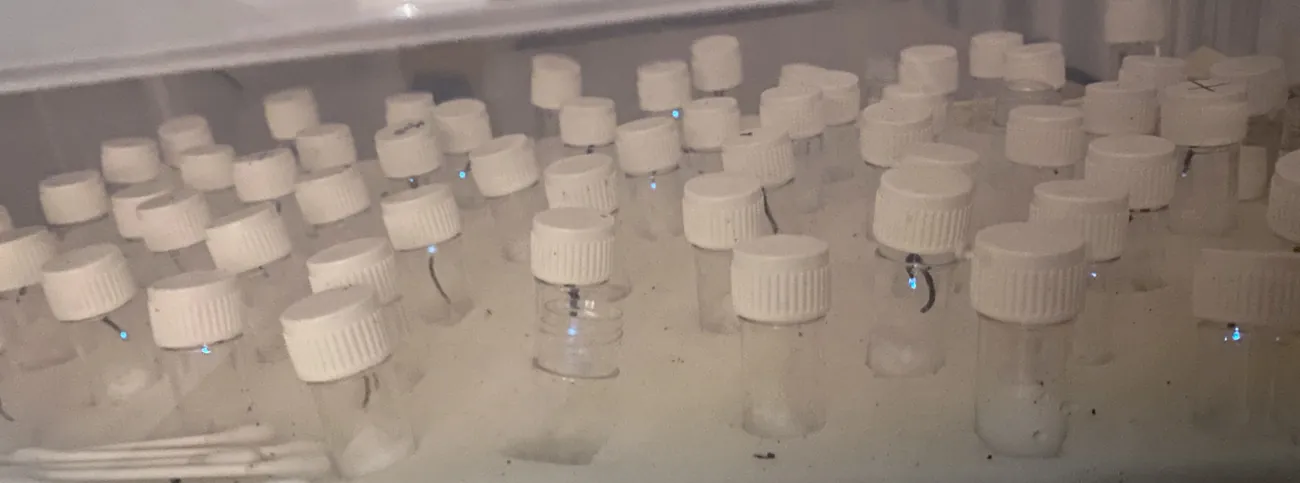
Research began in the laboratory at the University of Waikato Biology Department, and later expanded to an independent location with the facilities to host a substantial, self-sustaining glowworm colony for observation. The current laboratory is the world's largest glowworm research facility.
Monitoring environmental changes
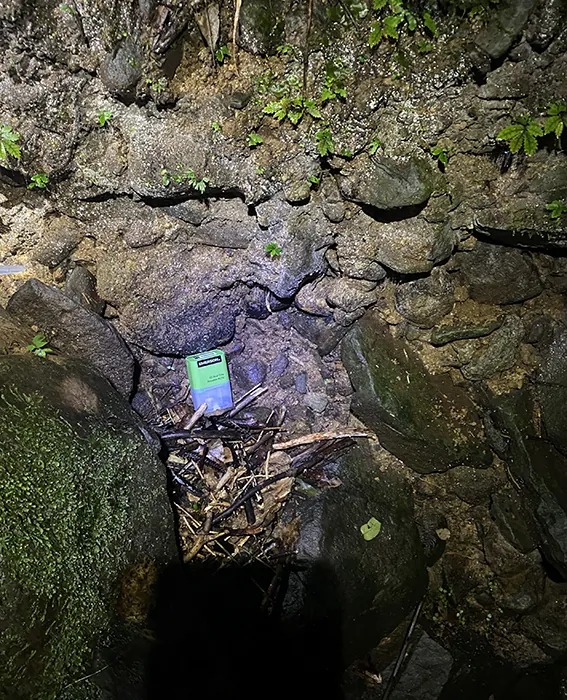
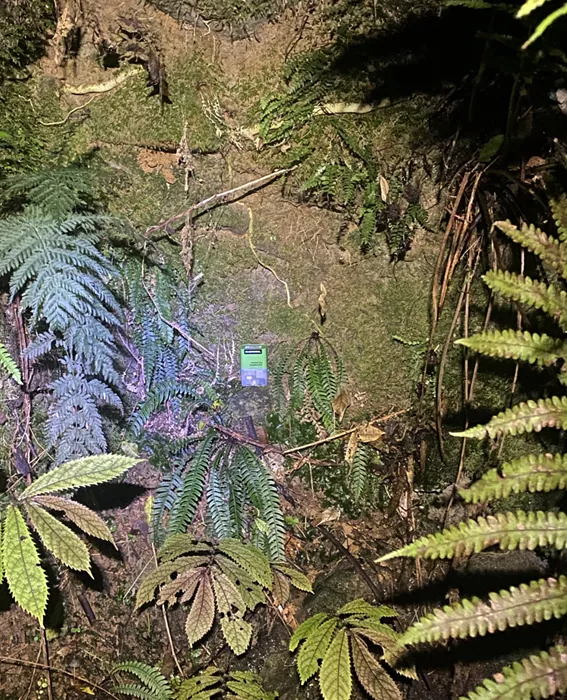
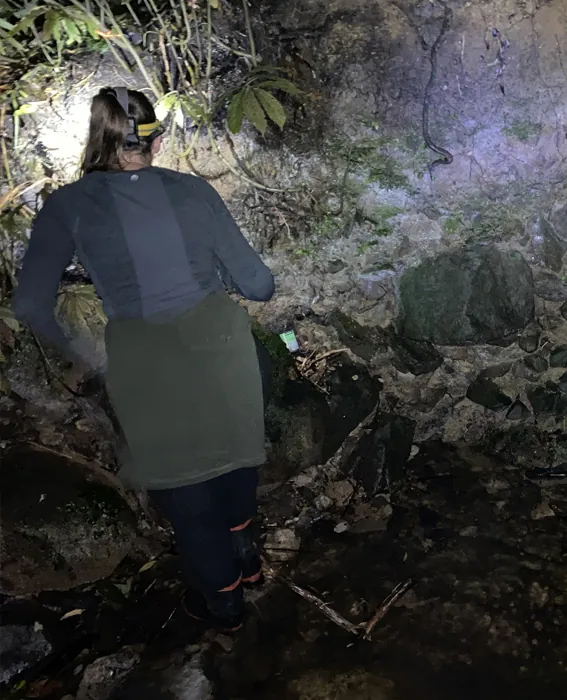
To build accurate models of the external impacts on glowworms, natural colonies must be monitored. This clarifies the species' environmental requirements and makes irregular changes easy to spot. Ongoing observation of colony health and size provides comparable data.
Using Emerson GO real-time monitoring equipment, remote access gives continuous updates measured at 10 minute intervals.
The data is used in the laboratory to recreate similar conditions for the in-house glowworm colony, allowing control of environmental variation.
The Glowworm Project intends to increase its monitoring of natural colonies, to identify colonies under threat and predict which are most at risk of being depleted in the near future.
Behaviours, habitats and ecosystems
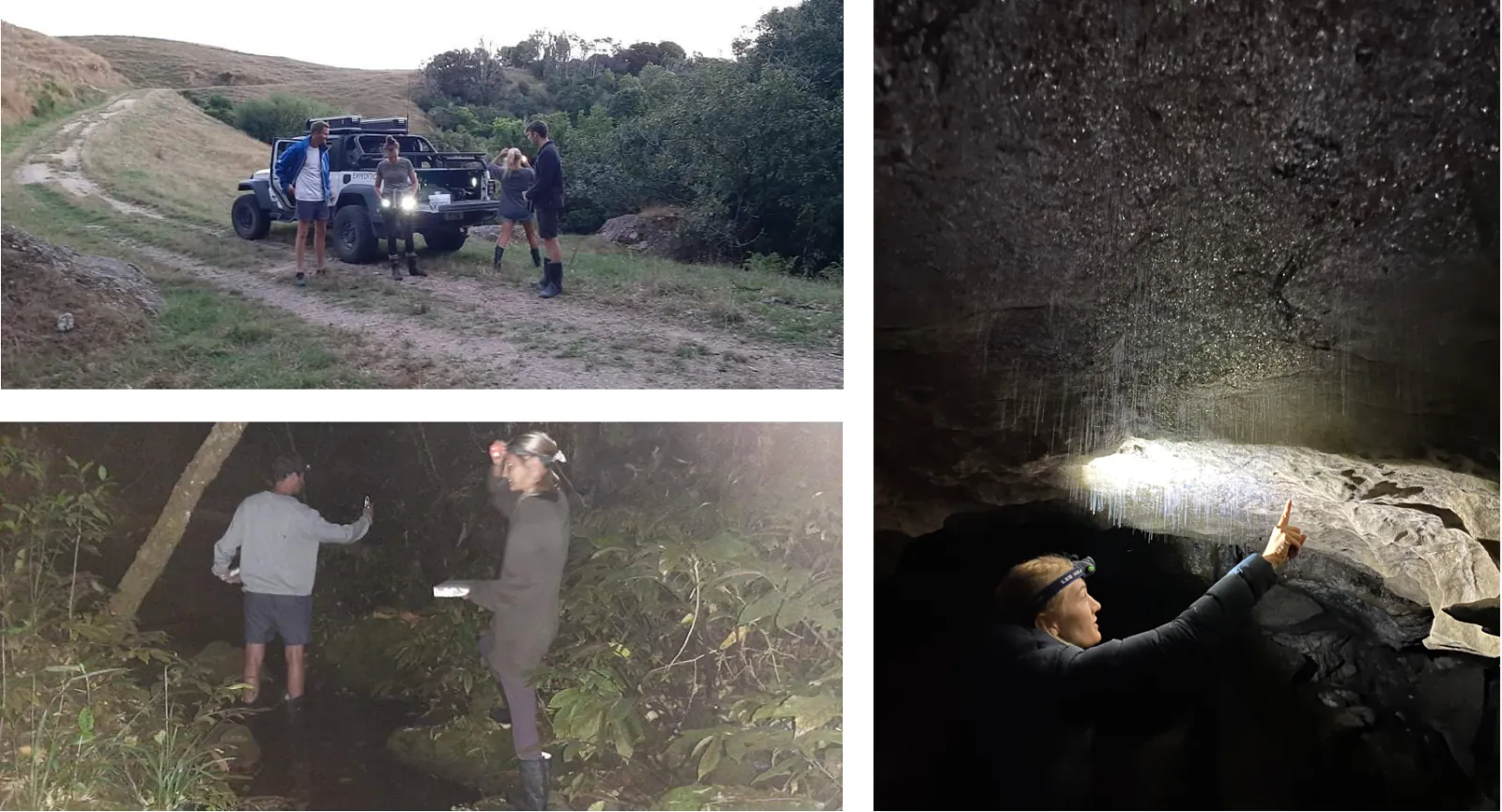
Understanding the species' life cycle has required both laboratory rearing and ongoing field observation of selected colonies.
Little research has been published on key aspects of the glowworm's life cycle, such as the survival rate of egg clutches, feeding patterns of recent hatchlings, feeding quantities at each larval instar and behavioural reactions to pheromones. Observing these behaviours is key to understanding how colonies survive, expand or decline.
Beyond natural behaviour, there is almost no published research on the impact of the growing anthropogenic threats the glowworm faces today, including different climate ranges, flood submersion, food availability from stream depletion, and light pollution at specific distances.
Our team is working towards a complete understanding of the glowworm's behaviours, habitat and ecosystem, so we can use this data to understand the species' chances of survival against anthropogenic threats.
Recreating habitats
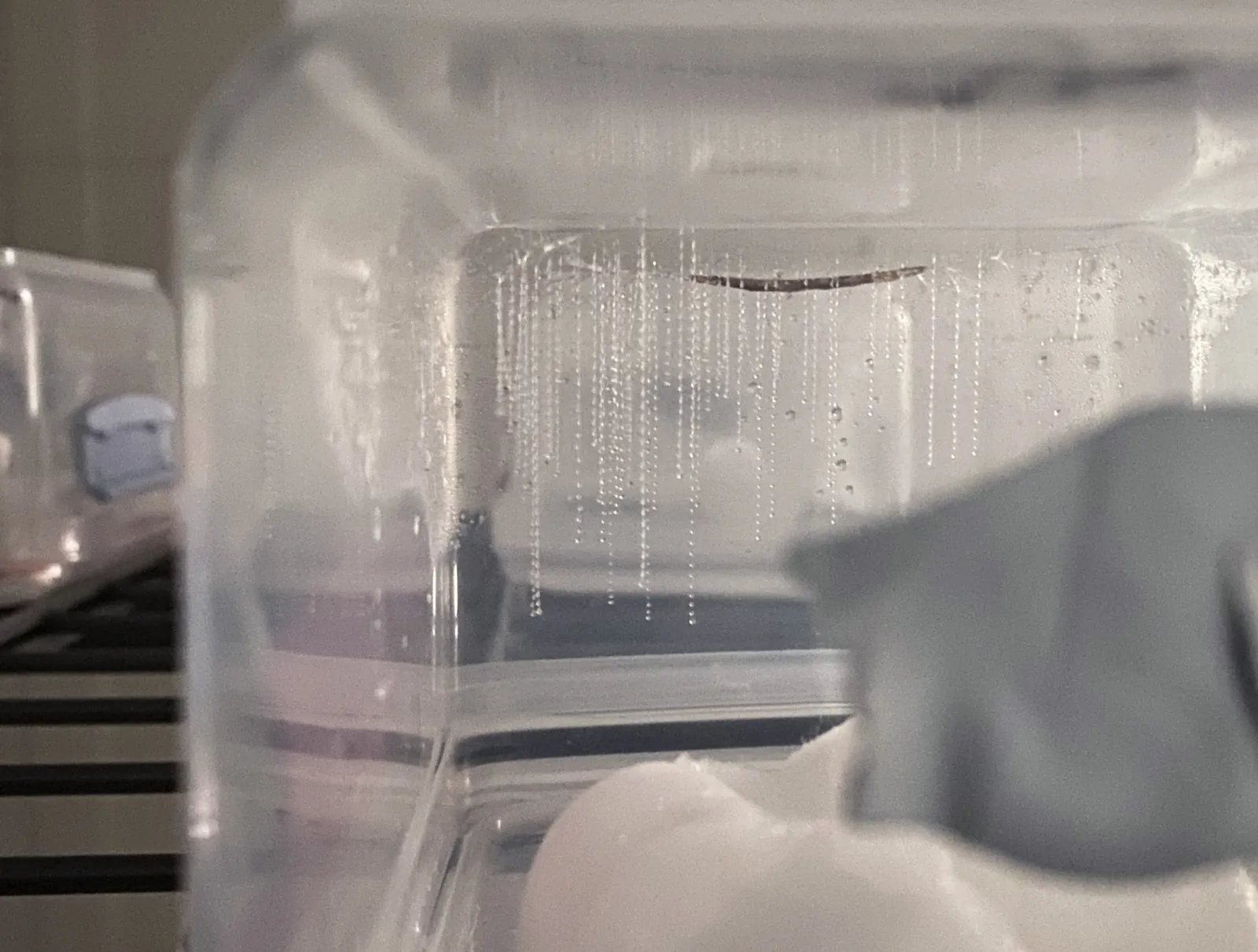
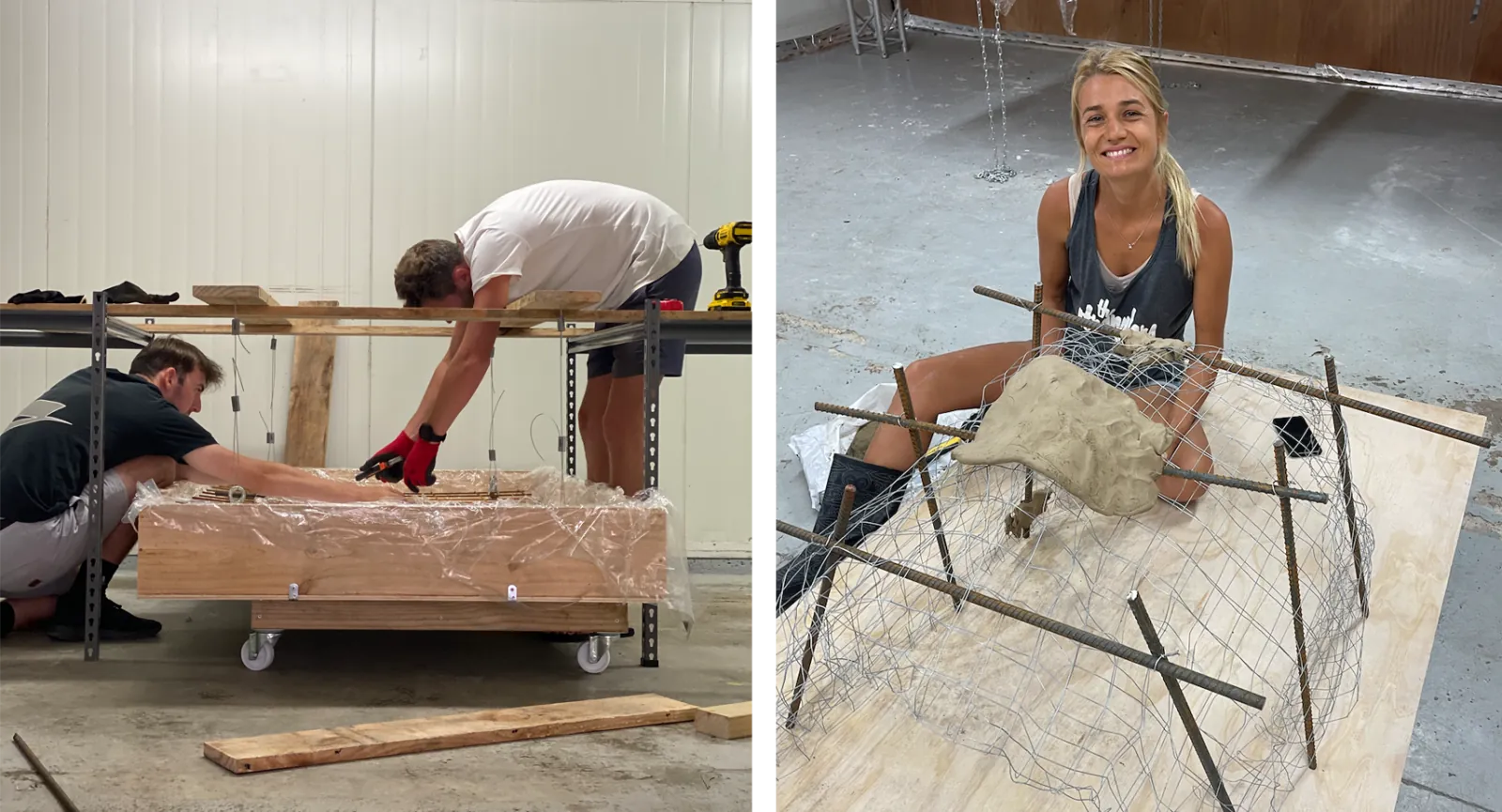
Laboratory rearing allows controlled environmental variation, either to mirror an existing environment or to simulate the impact of environmental change on the species. This practice is key to understanding the species.
The challenge is that some species, including the glowworm, are extremely difficult to rear in captivity. Its sensitivity to environmental conditions means a precise habitat is required throughout its life cycle.
The glowworm needs a very particular degree of humidity, permeability and moisture, which artificial materials do not cater for. Numerous materials have been studied and trialled since 2020 to meet these criteria.
Beyond building the habitat, the ongoing challenges are food supply and territorial cannibalisation.

Founders of The Glowworm Project
Expedition Earth's aim is to protect and preserve the natural world. It is led by New Zealanders Bridget Thackwray and Topher Richwhite, known for their global journey through 76 countries exploring the effects a growing human population is having on natural habitats, while promoting the initiatives working to protect them.
Expedition Earth has worked with the likes of National Geographic on assignments including documenting the effect of human infection on Ugandan gorilla populations, lion depletion from indigenous hunting methods in Tanzania, and working with anti-poaching units in Zimbabwe.
From their global expedition, the couple both understand and champion the need to protect natural environments and find sustainable solutions to alleviate anthropogenic pressure.
Visit Expedition Earth (opens in new tab)